
Theory Meets Practice
A Journey of a Thousand Miles
Theory Meets Practice
Theory Meets Practice
I've been in the creative industry since my senior year of high school as a student, which is about 8 years thus far, with this being my first real year in the industry with some part time gigs here and there throughout college. So while my time in the field isn’t extensive, it has been as productive as I have hoped it would be.
Lessons in Rejections
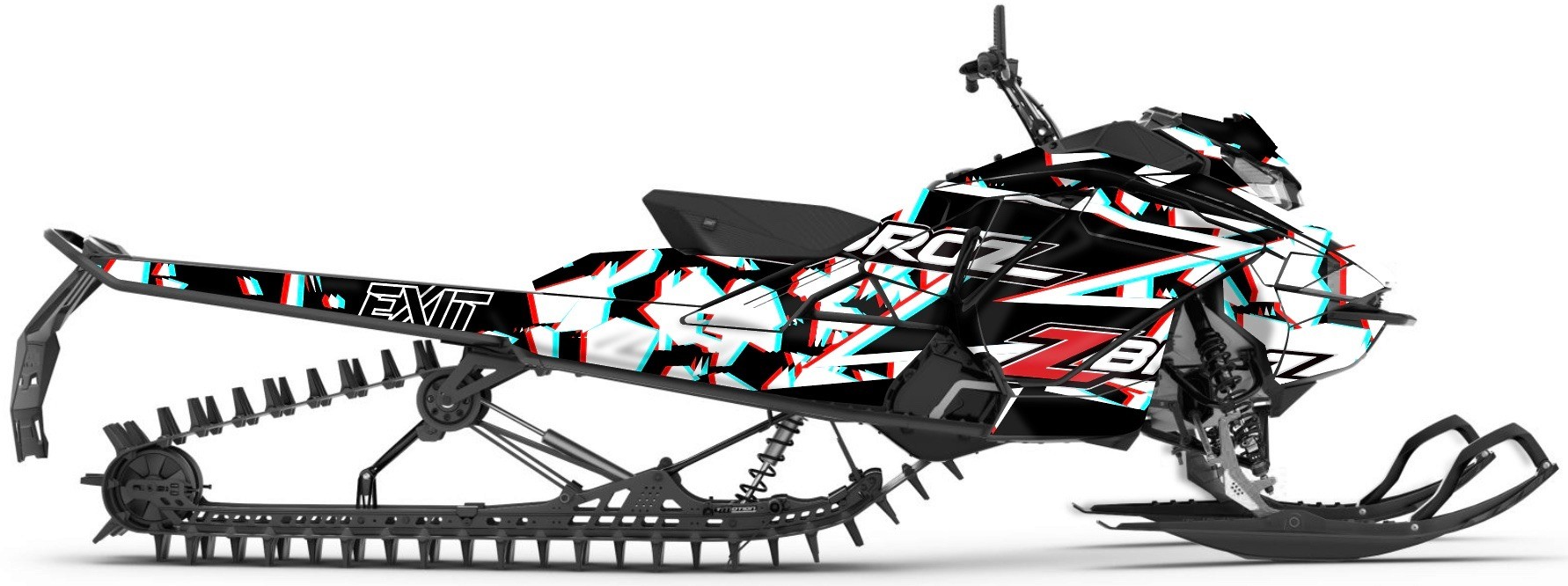
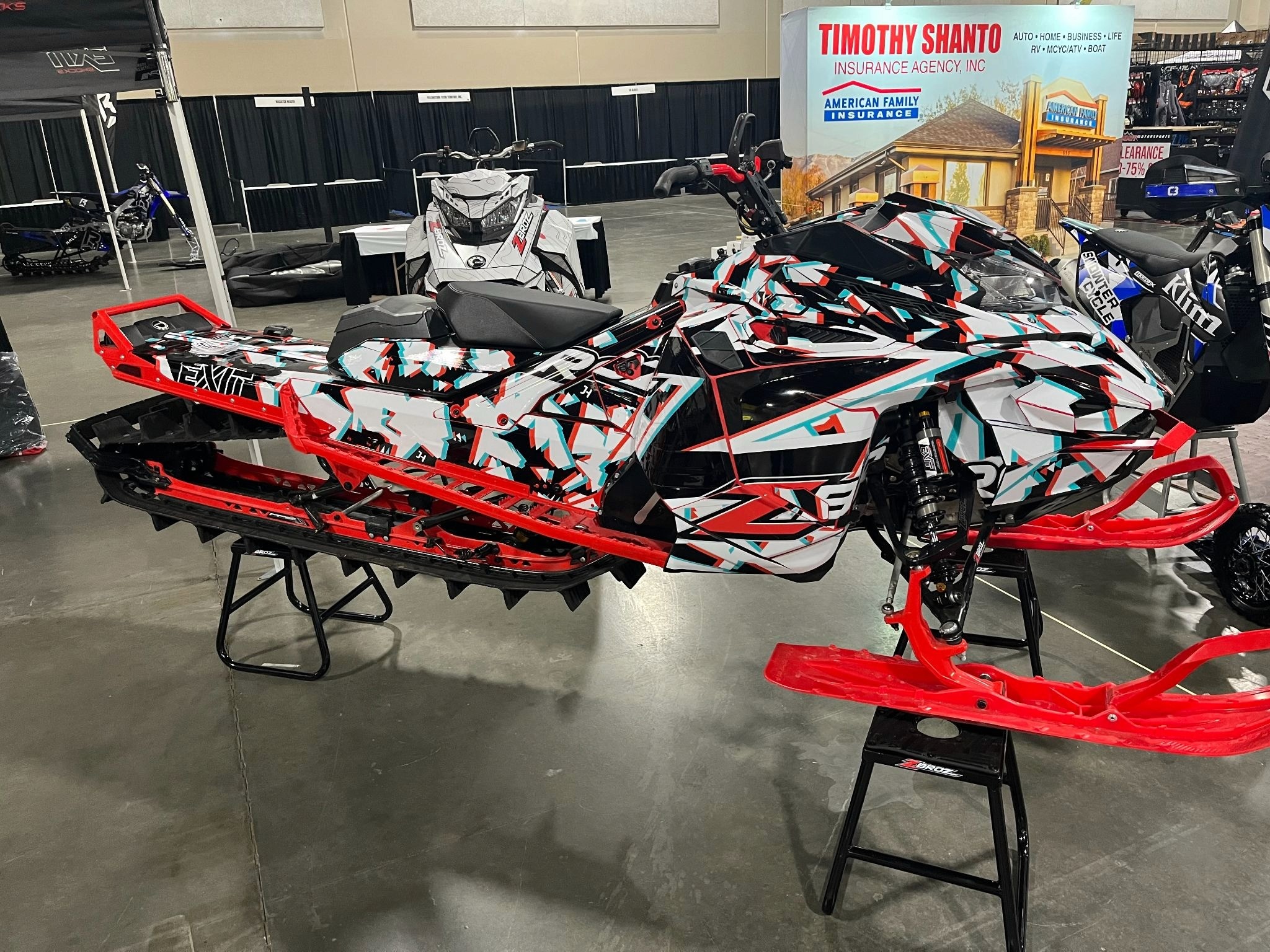
I started working as a designer when I was a sophomore in college. I worked with a local vinyl wrap shop where we designed wraps for commercial vehicles, as well as razors, snowmobiles, and motorcycles. It didn't include much branding, it mostly included a game of hide and seek via adobe stock trying to find which files worked best with this client or that client. It didn't provide a lot of growth for my creative side. During that time, I also worked as a designer for the school paper where I would design illustrations for different news articles. I would design themes for different traditions around campus or events that would go on. I'd help “brand” these events which was a really fun experience and that helped out with the lack of creativity provided by my other job.



This was an interesting time for me because I had recently been rejected from my state school’s design program I had been applying to. After that rejection, I felt really, really down, because I was already working in the field as a designer, but it seemed I wasn't good enough to make it into a program, to actually learn design at a school. While that, in the moment, seemed to be the case, I don't believe that that is true.
No Grade. No Pay. Just Growth.
At that time, I did lack a basic understanding of what design was or how to apply the knowledge I had in the moment, but that time away from the design chase, it worked for my benefit. Following my stint with the newspaper and the wrap shop, I found myself working for a custom notebook company called Denik in Northern Utah. At this job, I would work with a variety of different brands and customize notebooks that they would eventually give out as swag at events or as gifts for employee appreciation. It was a lot of fun to see a lot of different brand guides and interact with each of them.
One of the things that I did during this time to continue to find a creative outlet was I would look for smaller brands with seemingly dated branding who requested notebooks. Because they most likely didn't have the funds to brand themselves or get an agency or designer to help them, and as a brand designer in-training, I would take some of these logos and I would approach their logo as if they were my client asking me for help. This wasn’t my job and it still wasn't giving me real life agency work, because I didn't have to deal with their feedback.
I could take what these companies had, a start. I pushed myself to do research and learn about their industry and try to find a helpful solution to what I saw was lacking in their brand. Whether it was just tweaking what they already had, a more refined approach, or a completely new look for their brand. When I did this, I approached them similarly to projects I would get assigned in my design classes.
This process of taking those logos took a lot of effort. It was really tough because I was working 30 hours a week and had homework. I wanted to have a project that I could really tap into my creativity. No grade, no pay, just creativity for creativity’s sake. I really wanted to push myself, to stretch myself, almost like I was working out. If I could take on a lot of these different projects and still produce really good creative work, maybe I could take on one project and produce really creative work. Similar to lifting heavier weights would make lighter weights feel easier.
Don’t Wait for Perfect
I never thought of myself as a natural designer. I never felt like I was born with an eye for design, but I was born with a desire to be creative and just wanted to solve these creative puzzles. I wasn’t a math guy, a science guy, or even a literary person, but when it comes to creativity, I felt like I excelled. I felt like this was my time to work outside of class and really strengthen my design capabilities. Taking that desire to become better at my craft, pairing it with a little bit of sacrifice and work ethic, I feel like I came out of college significantly more prepared to take on the world and the industry of design.
I do feel like pushing yourself to find real-world experience is better than not having any experience at all. I believe that if I would have gone through college only having my school newspaper job and this wrap job. I wouldn’t have known all of the processes and the ins and outs of in-house design or the design industry as a whole. I may be better equipped to take on new parts of the industry because of my prior experience. I think the more experience that I got, the better equipped I felt to leave school, to refine a portfolio, to talk to people about design, and to really put my name out there. I do think that it's significantly better to find graphic design experience while you're studying graphic design, instead of working at the local Chick-fil-A or mowing lawns.
While that does help put someone through college, and I'm not trying to discount those jobs in any way shape or form, I do believe that they do not prepare you well enough for the actual industry. Education alone is great, but if you don’t know how to implement knowledge gained, there is no use for the knowledge that was gained because it's not helping anyone. It's not serving any purpose.
This might put a huge target on my back, but you could have four or five different degrees in business management, finance, sports medicine, or marketing, and that's great. You have all that knowledge at your fingertips, but if you're working at Walmart stocking shelves, that will only invalidate the education you've earned. You have all of that knowledge, but you're not implementing it. The bottom line is, find opportunities to push yourself if you can't find opportunities that will pay.
It's OK to work for free, it's OK to find and make projects on your own, because sometimes you just need to start.
The Real Value of Experience
One project that I kept in my portfolio for a long time, and I still include the main logo, I worked on for basically nothing. The project was for a friend's detailing business. I got a total of zero dollars from it, he may have vacuumed my car out. He gave me basic parameters: his favorite color was purple, he loved college athletic design, and he wanted it to feel “dapper”. 3 things that I feel like maybe didn't go at all together. But, his request allowed me to be creative within that set of rules, and create something fantastic and for a real client.
I got paid nothing, it wasn't a school project, and when I later showed this to a nationally acclaimed designer, he thought it was poorly executed and didn’t say anything about the “detailing” industry. Even though he didn’t like it, what I learned from that process was how to work with someone who has an opinion. I learned how to deliver something that they love, not necessarily something that was gonna win awards, but something that a client loved, and something that I could be proud of as well.
Knowledge is power, but that power not applied is useless. That being said, learn, read books, listen to leaders in the industry, read about their experiences. Start trying things yourself, find work, and if you can't find work that pays, find people to help and learn as you help them.
I've been in the creative industry since my senior year of high school as a student, which is about 8 years thus far, with this being my first real year in the industry with some part time gigs here and there throughout college. So while my time in the field isn’t extensive, it has been as productive as I have hoped it would be.
Lessons in Rejections
I started working as a designer when I was a sophomore in college. I worked with a local vinyl wrap shop where we designed wraps for commercial vehicles, as well as razors, snowmobiles, and motorcycles. It didn't include much branding, it mostly included a game of hide and seek via adobe stock trying to find which files worked best with this client or that client. It didn't provide a lot of growth for my creative side. During that time, I also worked as a designer for the school paper where I would design illustrations for different news articles. I would design themes for different traditions around campus or events that would go on. I'd help “brand” these events which was a really fun experience and that helped out with the lack of creativity provided by my other job.
This was an interesting time for me because I had recently been rejected from my state school’s design program I had been applying to. After that rejection, I felt really, really down, because I was already working in the field as a designer, but it seemed I wasn't good enough to make it into a program, to actually learn design at a school. While that, in the moment, seemed to be the case, I don't believe that that is true.
No Grade. No Pay. Just Growth.
At that time, I did lack a basic understanding of what design was or how to apply the knowledge I had in the moment, but that time away from the design chase, it worked for my benefit. Following my stint with the newspaper and the wrap shop, I found myself working for a custom notebook company called Denik in Northern Utah. At this job, I would work with a variety of different brands and customize notebooks that they would eventually give out as swag at events or as gifts for employee appreciation. It was a lot of fun to see a lot of different brand guides and interact with each of them.
One of the things that I did during this time to continue to find a creative outlet was I would look for smaller brands with seemingly dated branding who requested notebooks. Because they most likely didn't have the funds to brand themselves or get an agency or designer to help them, and as a brand designer in-training, I would take some of these logos and I would approach their logo as if they were my client asking me for help. This wasn’t my job and it still wasn't giving me real life agency work, because I didn't have to deal with their feedback.
I could take what these companies had, a start. I pushed myself to do research and learn about their industry and try to find a helpful solution to what I saw was lacking in their brand. Whether it was just tweaking what they already had, a more refined approach, or a completely new look for their brand. When I did this, I approached them similarly to projects I would get assigned in my design classes.
This process of taking those logos took a lot of effort. It was really tough because I was working 30 hours a week and had homework. I wanted to have a project that I could really tap into my creativity. No grade, no pay, just creativity for creativity’s sake. I really wanted to push myself, to stretch myself, almost like I was working out. If I could take on a lot of these different projects and still produce really good creative work, maybe I could take on one project and produce really creative work. Similar to lifting heavier weights would make lighter weights feel easier.
Don’t Wait for Perfect
I never thought of myself as a natural designer. I never felt like I was born with an eye for design, but I was born with a desire to be creative and just wanted to solve these creative puzzles. I wasn’t a math guy, a science guy, or even a literary person, but when it comes to creativity, I felt like I excelled. I felt like this was my time to work outside of class and really strengthen my design capabilities. Taking that desire to become better at my craft, pairing it with a little bit of sacrifice and work ethic, I feel like I came out of college significantly more prepared to take on the world and the industry of design.
I do feel like pushing yourself to find real-world experience is better than not having any experience at all. I believe that if I would have gone through college only having my school newspaper job and this wrap job. I wouldn’t have known all of the processes and the ins and outs of in-house design or the design industry as a whole. I may be better equipped to take on new parts of the industry because of my prior experience. I think the more experience that I got, the better equipped I felt to leave school, to refine a portfolio, to talk to people about design, and to really put my name out there. I do think that it's significantly better to find graphic design experience while you're studying graphic design, instead of working at the local Chick-fil-A or mowing lawns.
While that does help put someone through college, and I'm not trying to discount those jobs in any way shape or form, I do believe that they do not prepare you well enough for the actual industry. Education alone is great, but if you don’t know how to implement knowledge gained, there is no use for the knowledge that was gained because it's not helping anyone. It's not serving any purpose.
This might put a huge target on my back, but you could have four or five different degrees in business management, finance, sports medicine, or marketing, and that's great. You have all that knowledge at your fingertips, but if you're working at Walmart stocking shelves, that will only invalidate the education you've earned. You have all of that knowledge, but you're not implementing it. The bottom line is, find opportunities to push yourself if you can't find opportunities that will pay.
It's OK to work for free, it's OK to find and make projects on your own, because sometimes you just need to start.
The Real Value of Experience
One project that I kept in my portfolio for a long time, and I still include the main logo, I worked on for basically nothing. The project was for a friend's detailing business. I got a total of zero dollars from it, he may have vacuumed my car out. He gave me basic parameters: his favorite color was purple, he loved college athletic design, and he wanted it to feel “dapper”. 3 things that I feel like maybe didn't go at all together. But, his request allowed me to be creative within that set of rules, and create something fantastic and for a real client.
I got paid nothing, it wasn't a school project, and when I later showed this to a nationally acclaimed designer, he thought it was poorly executed and didn’t say anything about the “detailing” industry. Even though he didn’t like it, what I learned from that process was how to work with someone who has an opinion. I learned how to deliver something that they love, not necessarily something that was gonna win awards, but something that a client loved, and something that I could be proud of as well.
Knowledge is power, but that power not applied is useless. That being said, learn, read books, listen to leaders in the industry, read about their experiences. Start trying things yourself, find work, and if you can't find work that pays, find people to help and learn as you help them.