
Season of Belief
A Journey of a Thousand Miles
Season of Belief
Season of Belief
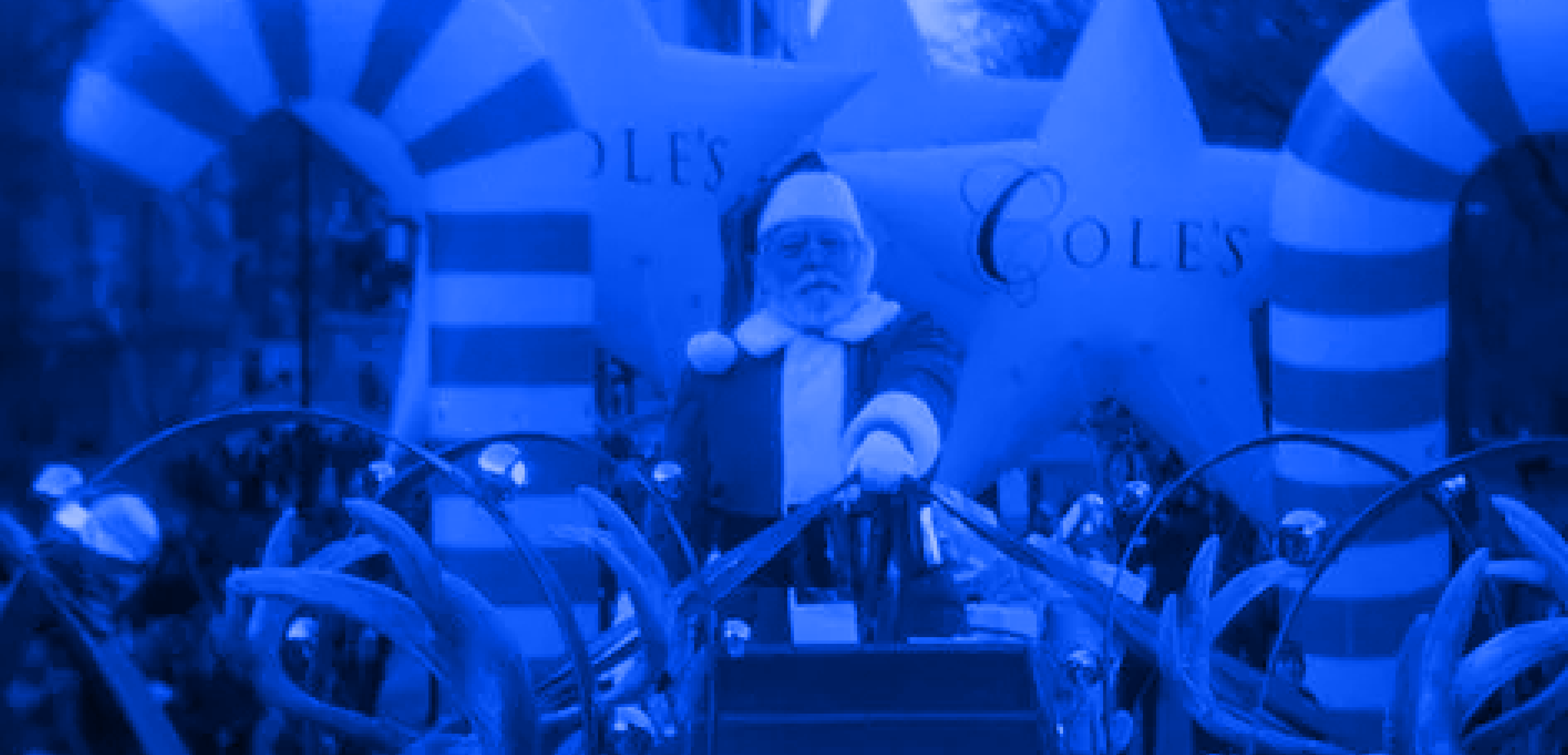
This week, I wanted to write something a little closer aligned to Christmas—something fun and familiar. Instead of pulling from a case study or a modern campaign, I decided I wanted to talk about a scene that stuck out to me in the movie Miracle on 34th Street (1994).
The scene that caught my eye, for those of you familiar with the movie, came right after Kris Kringle (the Cole’s department store Santa) is arrested for a staged crime, the company’s leadership and marketing team, like most would be, are forced into a decision. They debate whether they should issue an apology statement or distance themselves from their Santa entirely.
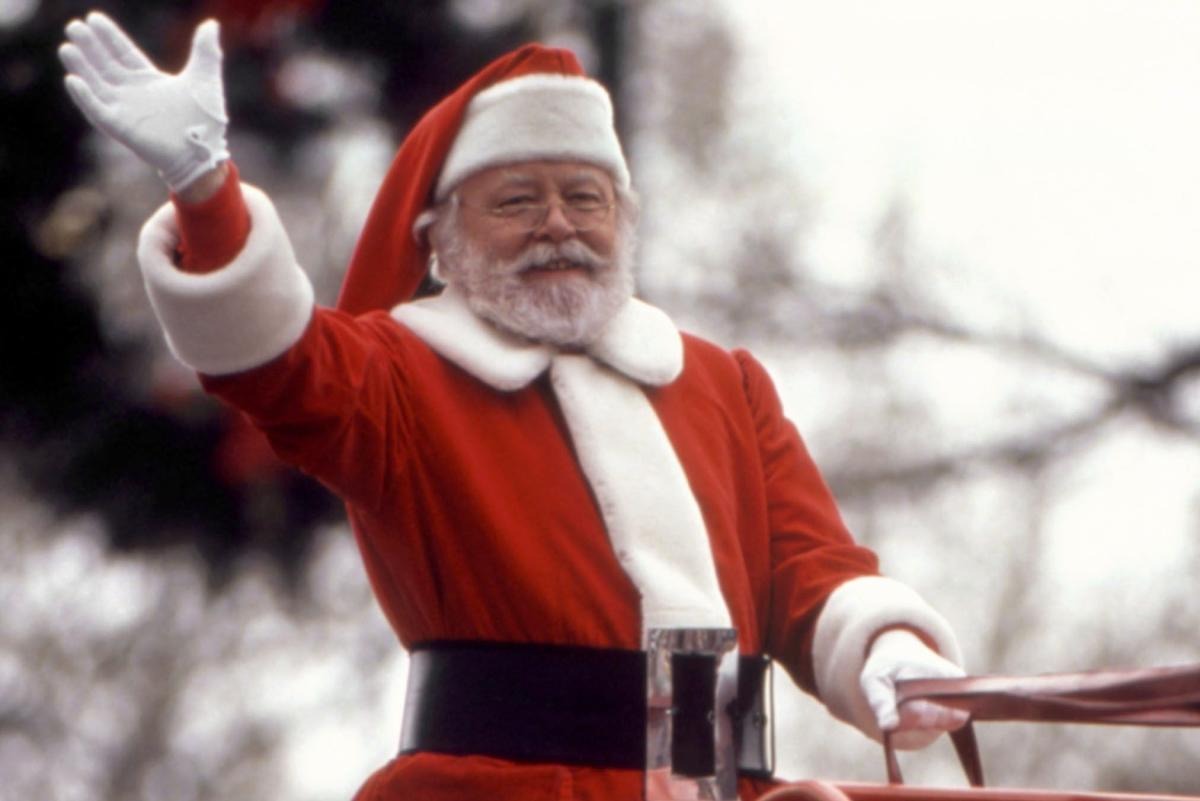
What stood out to me is how familiar that conversation feels, even though the movie was made in the ’90s. Today, brands issue apology statements constantly, it has become too common of an occurrence. But instead of defaulting to that response, someone on the team asks a different question: What kind of message do we send if we abandon one of our own, someone who helped us when we were in need, someone we consider family?
They know who Kris is. They know his character. He literally stopped them from a massive PR issue 5 minutes into the film (which would have been roughly 3-4 weeks prior in their actual timeline.) So rather than protecting themselves, they choose to stand with him.
Choosing Belief
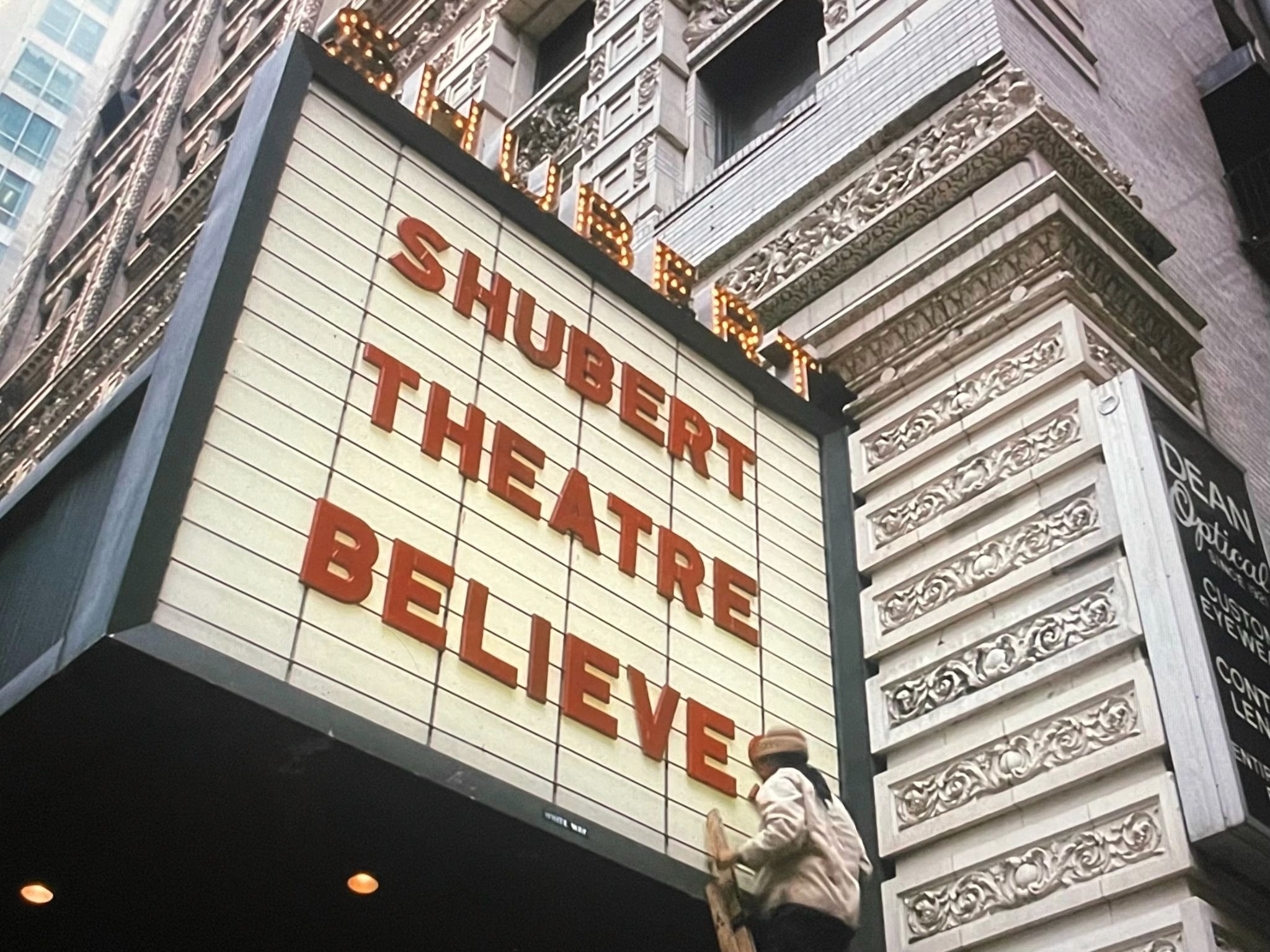
Their decision leads them to the campaign built around a simple phrase: We believe in Santa, do you believe?
On the surface, their question is about the trial and that they believe Kris Kringle is innocent of the crime he is accused of. But it also works on another level, especially during Christmas. It becomes a broader question about belief itself. They don’t just ask the public if they believe in Kris Kringle’s innocence, but if they genuinely believe in Santa. This double meaning is where the impact of this campaign comes from.

Cole’s could have apologized. They could have quietly cut ties and moved on. Instead, they leaned into the moment and made a statement that reflected what they believed, not just because they believed in their employee, but because their beliefs align with the feelings around the holiday, and the joy attached to it.
Why Other Brands Got Involved
After Cole’s kicks off their new Christmas campaign, other brands start responding: Goodyear, 7UP, and others. Typically, I’m skeptical of that kind of piggybacking. Just because one brand does something culturally impactful doesn’t mean everyone else should follow along.
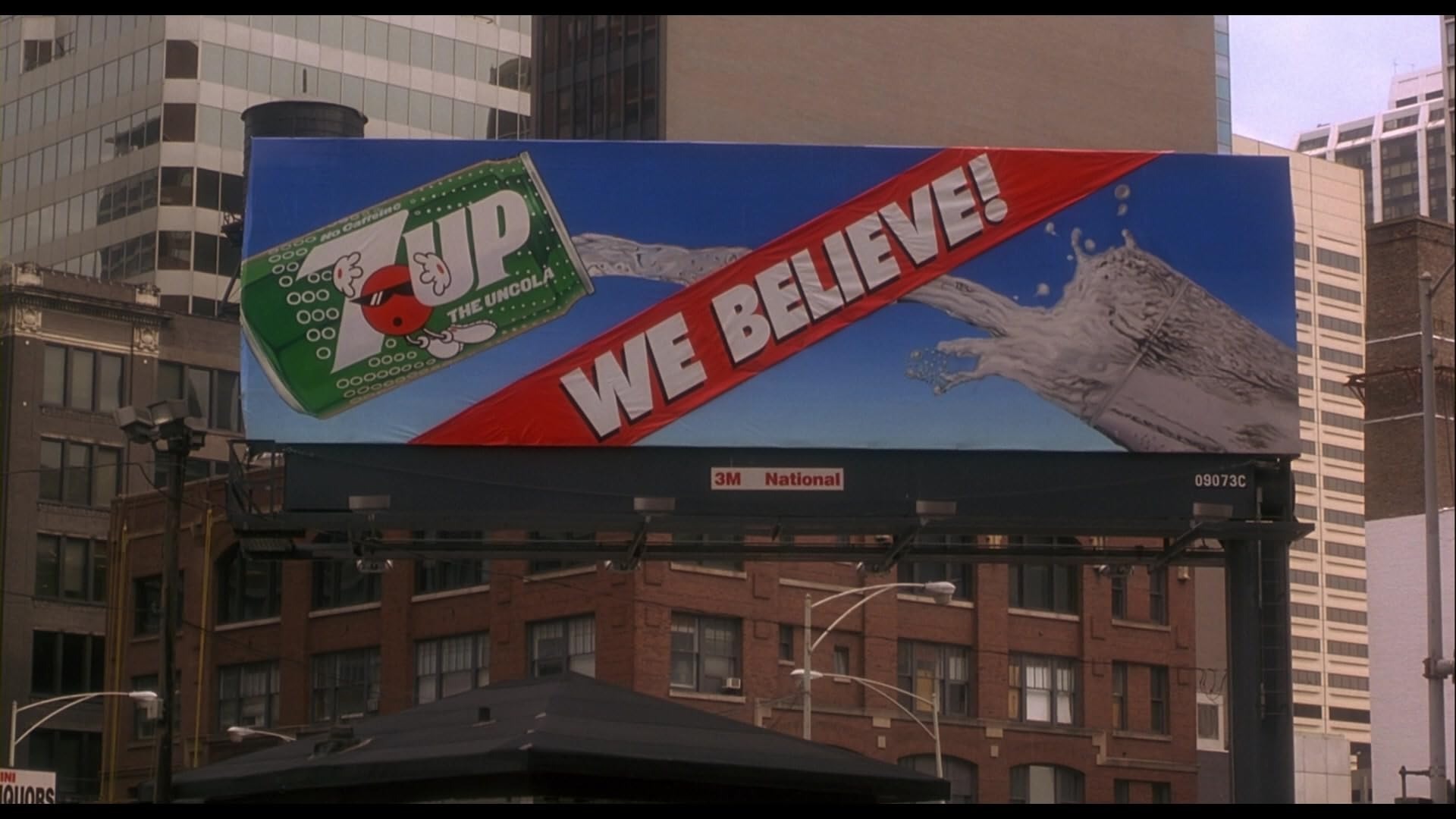
But this felt different. It didn’t feel like brands blindly chasing a trend. It felt more like brands responding to a question that had already been asked publicly and responding because their brand belief system aligned with the answer to that question. Cole’s set the tone, and other brands chose to respond.
These didn’t, and still don’t, have anything to do with a Mall Santa. But they did have something to do with Christmas, family, positive public interaction, and visibility during the holidays.
Why This Wasn’t Just Trend-Chasing
This kind of attachment felt different from brands copying a movie’s aesthetic or slapping green and pink onto their packaging for a social post. Those efforts often feel hollow because they’re about attention, not alignment.
In this example, Cole’s asked a question: Do you believe?
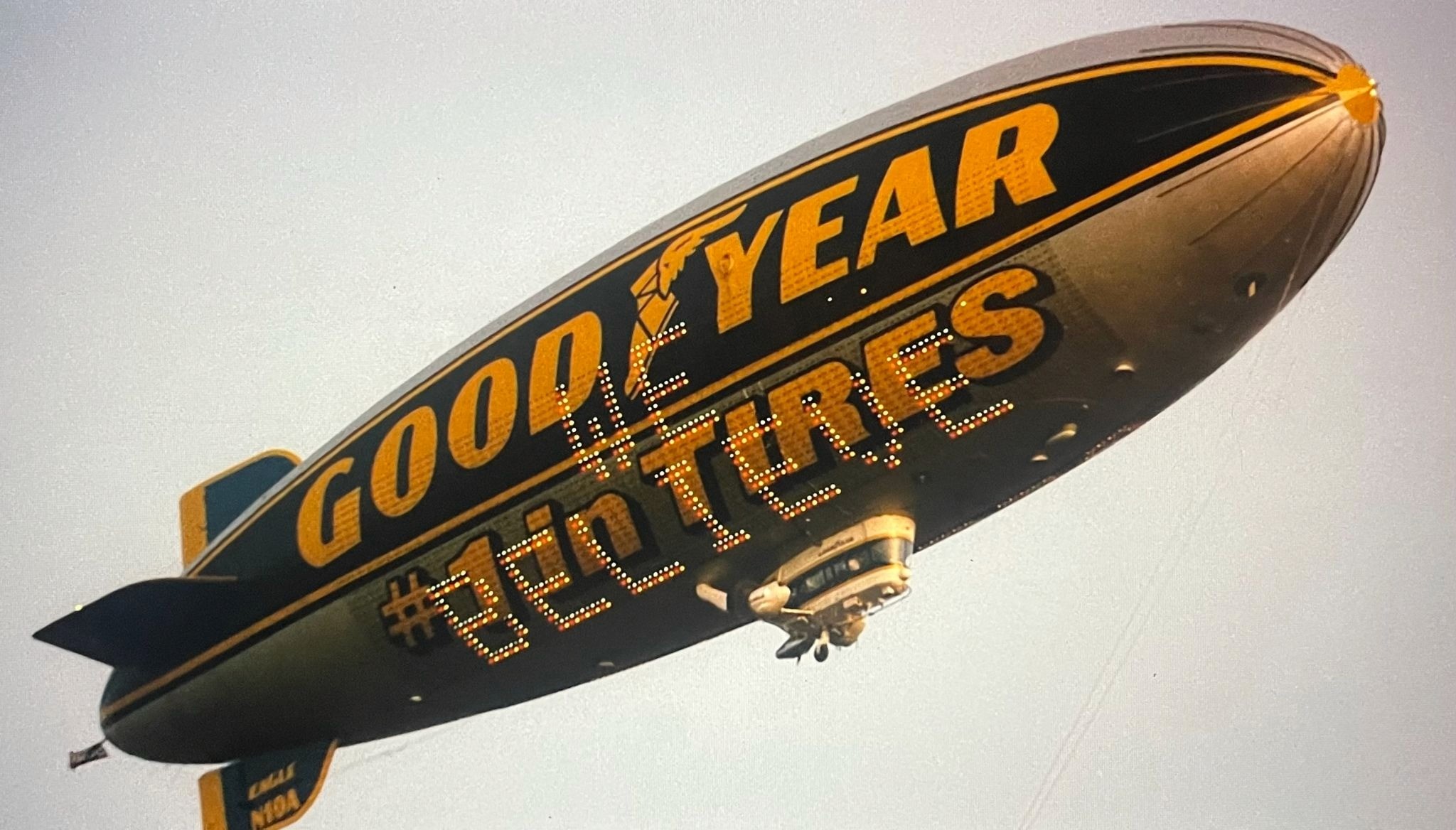
Other brands responded, not by copying the campaign but by answering it in their own way. Cole’s benefited the most because they led. But the reason others followed is because the message worked at a cultural level, not just a branding one.
Knowing Who You Are Matters
By the end of the film, it’s clear why Cole’s wins and their competitor doesn’t. The competitor tries too hard to match them instead of understanding who they themselves are. Cole’s succeeds because they know who they are at their core and are willing to continue with their beliefs even when that seems like the harder choice.
The campaign becomes powerful enough that others want to attach themselves to it, but that power only exists because Cole’s acted first and did so honestly.
The Point
Brands don’t succeed by forcing cultural moments.
They succeed by:
Knowing what they believe.
Recognizing the moments that align with those beliefs.
Responding in real time without overthinking.
Cole’s didn’t manufacture a campaign. They responded to a situation in a way that made sense to them and reminded others who they were, that’s why their “We Believe” campaign worked. That’s the difference between brands chasing culture and actually participating in it.
This week, I wanted to write something a little closer aligned to Christmas—something fun and familiar. Instead of pulling from a case study or a modern campaign, I decided I wanted to talk about a scene that stuck out to me in the movie Miracle on 34th Street (1994).
The scene that caught my eye, for those of you familiar with the movie, came right after Kris Kringle (the Cole’s department store Santa) is arrested for a staged crime, the company’s leadership and marketing team, like most would be, are forced into a decision. They debate whether they should issue an apology statement or distance themselves from their Santa entirely.
What stood out to me is how familiar that conversation feels, even though the movie was made in the ’90s. Today, brands issue apology statements constantly, it has become too common of an occurrence. But instead of defaulting to that response, someone on the team asks a different question: What kind of message do we send if we abandon one of our own, someone who helped us when we were in need, someone we consider family?
They know who Kris is. They know his character. He literally stopped them from a massive PR issue 5 minutes into the film (which would have been roughly 3-4 weeks prior in their actual timeline.) So rather than protecting themselves, they choose to stand with him.
Choosing Belief
Their decision leads them to the campaign built around a simple phrase: We believe in Santa, do you believe?
On the surface, their question is about the trial and that they believe Kris Kringle is innocent of the crime he is accused of. But it also works on another level, especially during Christmas. It becomes a broader question about belief itself. They don’t just ask the public if they believe in Kris Kringle’s innocence, but if they genuinely believe in Santa. This double meaning is where the impact of this campaign comes from.
Cole’s could have apologized. They could have quietly cut ties and moved on. Instead, they leaned into the moment and made a statement that reflected what they believed, not just because they believed in their employee, but because their beliefs align with the feelings around the holiday, and the joy attached to it.
Why Other Brands Got Involved
After Cole’s kicks off their new Christmas campaign, other brands start responding: Goodyear, 7UP, and others. Typically, I’m skeptical of that kind of piggybacking. Just because one brand does something culturally impactful doesn’t mean everyone else should follow along.
But this felt different. It didn’t feel like brands blindly chasing a trend. It felt more like brands responding to a question that had already been asked publicly and responding because their brand belief system aligned with the answer to that question. Cole’s set the tone, and other brands chose to respond.
These didn’t, and still don’t, have anything to do with a Mall Santa. But they did have something to do with Christmas, family, positive public interaction, and visibility during the holidays.
Why This Wasn’t Just Trend-Chasing
This kind of attachment felt different from brands copying a movie’s aesthetic or slapping green and pink onto their packaging for a social post. Those efforts often feel hollow because they’re about attention, not alignment.
In this example, Cole’s asked a question: Do you believe?
Other brands responded, not by copying the campaign but by answering it in their own way. Cole’s benefited the most because they led. But the reason others followed is because the message worked at a cultural level, not just a branding one.
Knowing Who You Are Matters
By the end of the film, it’s clear why Cole’s wins and their competitor doesn’t. The competitor tries too hard to match them instead of understanding who they themselves are. Cole’s succeeds because they know who they are at their core and are willing to continue with their beliefs even when that seems like the harder choice.
The campaign becomes powerful enough that others want to attach themselves to it, but that power only exists because Cole’s acted first and did so honestly.
The Point
Brands don’t succeed by forcing cultural moments.
They succeed by:
Knowing what they believe.
Recognizing the moments that align with those beliefs.
Responding in real time without overthinking.
Cole’s didn’t manufacture a campaign. They responded to a situation in a way that made sense to them and reminded others who they were, that’s why their “We Believe” campaign worked. That’s the difference between brands chasing culture and actually participating in it.